

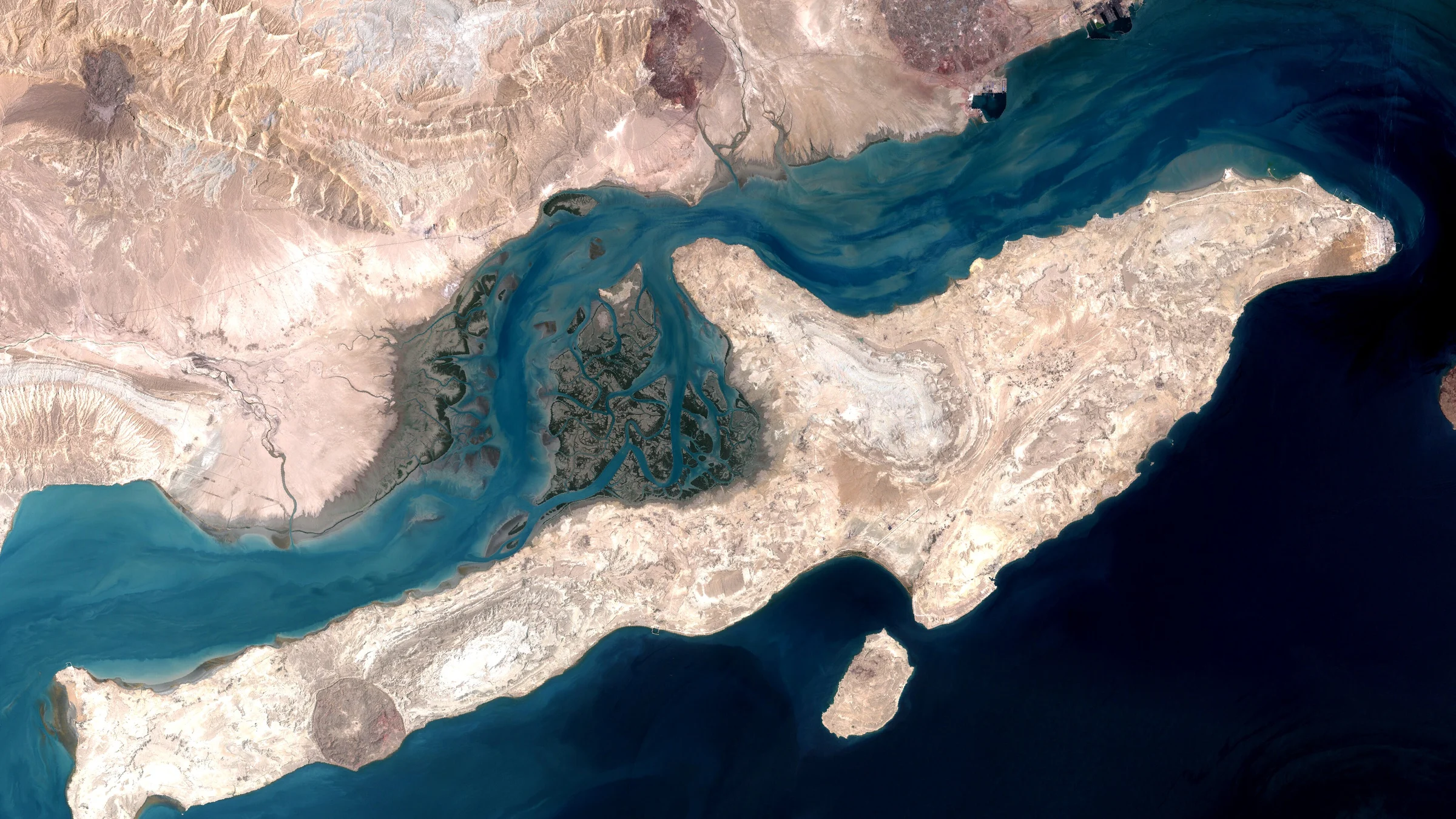
The United States launched an attack on Iran’s Qeshm Island on November 2, targeting military capabilities that Washington believed posed a threat to American assets in the region. According to a US official, the operation was defensive in nature and aimed at preventing Iran from using surface-to-air missiles against US military assets. The strikes took place just one day before the US midterm elections, adding a significant political dimension to an already tense situation in the Middle East.
The development came after Iran’s Islamic Revolutionary Guard Corps (IRGC) claimed on November 2 that it had shot down two US military drones south of Qeshm Island. The claim was reported by Tasnim, an Iranian news agency with close ties to the IRGC. However, the US military had not publicly confirmed the reported drone losses. The Pentagon referred questions about the operation to US Central Command (CENTCOM), which had not immediately responded to requests for comment.
The latest strikes are particularly notable because CENTCOM had not publicly announced any attacks against Iranian military targets since September 1. The renewed military action also comes amid repeated efforts by President Donald Trump to downplay the scale of the conflict with Iran in the weeks leading up to the midterm elections.
The ongoing conflict has become a major political challenge for Republican candidates across the country. Public opposition to the Iran war has remained a concern, while the wider Middle East crisis has disrupted the global economy and contributed to rising fuel prices. These developments have intensified concerns about affordability among American voters, making the conflict an important issue ahead of the elections.
Speaking at the Lincoln Memorial Reflecting Pool on November 2, Trump sought to minimise the extent of the military confrontation, arguing that the situation should not necessarily be described as a war. “I don’t know if you even call it a war because we haven’t been doing any fighting for months,” he said.
Later, during an appearance on Fox News’ Hannity, the president described the situation as a “soft war” and suggested that the United States had not been engaged in sustained fighting. “We go months and months, we talk,” Trump said, referring to the period of reduced military activity and diplomatic engagement with Tehran.
However, Trump also indicated that further military action remained an option if necessary. During the interview, he discussed the possibility of striking Pickaxe Mountain, where Iran is suspected of maintaining an underground facility connected to its nuclear programme. The president suggested that such an operation could be carried out quickly, stating, “But that’s not a big deal. We can do it in literally one hour.”
The latest US strikes come as Vice President JD Vance has been leading diplomatic efforts to revive peace negotiations with Iran ahead of the midterm elections. The administration has been attempting to make progress through discussions while maintaining the possibility of renewed military operations if Tehran fails to meet Washington’s demands. Trump has repeatedly indicated that major military action against Iran could resume after the elections.
Speaking to reporters on November 2 following a trip to Ohio, Vance clarified that the United States had not established a specific deadline for Iran to reach an agreement before Trump considers resuming military strikes. “No, we haven’t set deadlines,” the vice president said. “We’ve said here’s what we want.”
Vance also outlined the administration’s central demand, emphasising that any potential agreement must include firm and verifiable assurances that Iran will not rebuild its nuclear programme. He said Washington believes there is still an opportunity to reach an understanding with Tehran but stressed that progress would depend on a clear commitment from the Iranian government.
The vice president described the diplomatic situation as cautiously encouraging, suggesting that recent discussions had produced some positive developments. He also revealed that he had spoken with Trump during his flight back to Washington about the progress of negotiations with Iran. According to Vance, US officials had recently held several productive conversations with Iranian representatives.
“We’ve certainly made some progress,” he said, adding, “We’ll see if we can make some more.”
The developments highlight the increasingly delicate balance between military pressure and diplomatic efforts in Washington’s approach to Iran. While the November 2 operation demonstrates that the United States remains prepared to target Iranian military capabilities, the administration continues to pursue negotiations aimed at preventing Tehran from rebuilding its nuclear programme.
With the midterm elections approaching, the conflict also presents a political challenge for Trump and Republican candidates, particularly as voters remain concerned about economic conditions, energy costs and the broader consequences of continued military involvement in the Middle East. Whether diplomatic discussions can produce a lasting agreement or lead to another phase of military escalation remains uncertain.